The short answer
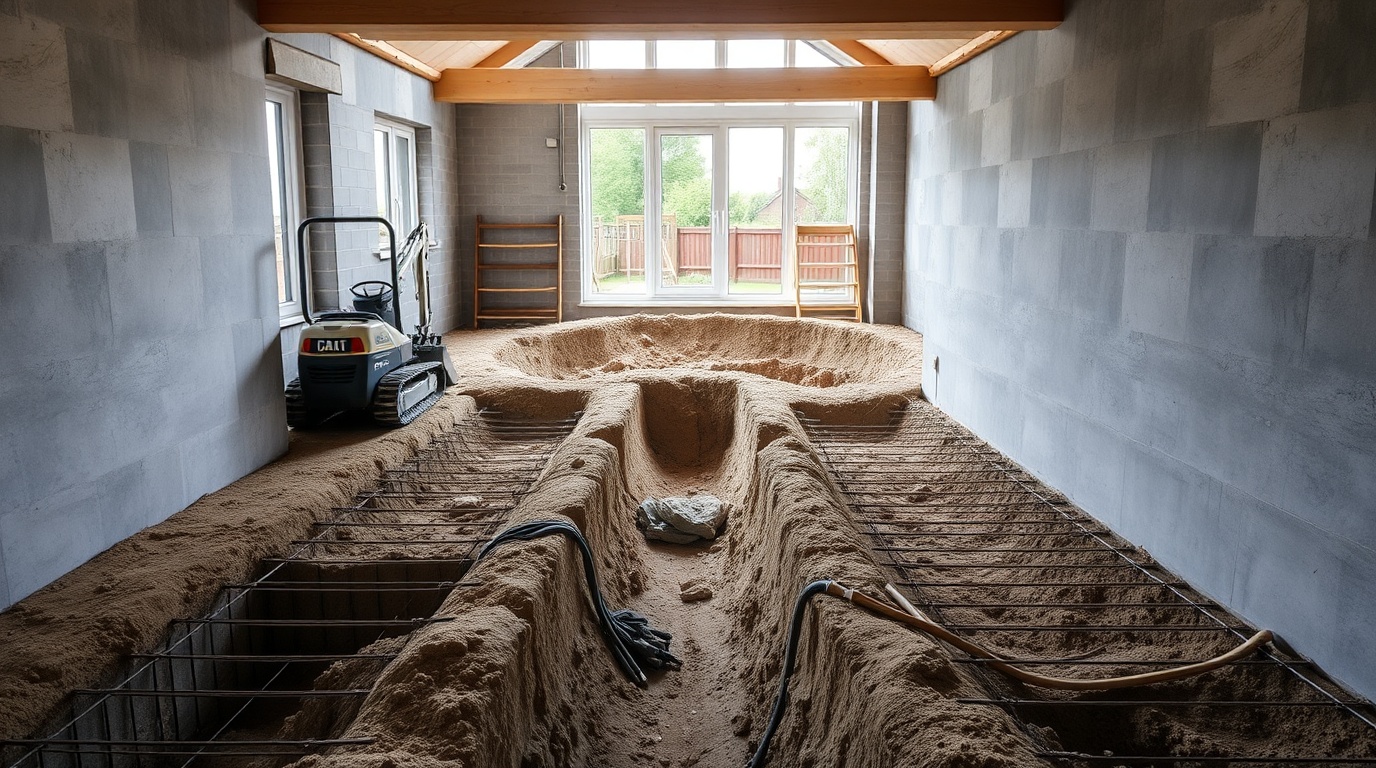
UK excavation typically costs around £40–£120 per cubic metre of material dug and removed, though the figure depends heavily on ground conditions, depth and access. Priced another way, a tracked excavator with an operator is commonly £300–£600 a day, and a mini-digger with operator nearer £200–£350 a day. A big part of the cost is not the digging itself but muck away — carting spoil off site by grab lorry at roughly £250–£400 per 14–16-tonne load, plus tipping fees and Landfill Tax. Soft, even soil is quickest and lowest-cost; clay, rock, a high water table or working around services slows the machine and pushes the rate up. The honest figure is always a range until someone sees the ground.
Excavation is priced either by volume removed or by machine-and-operator time, and the two often appear together in a quote. The ranges below are typical UK guidance figures, with the factors that shift them.
Typical UK costs
- Per cubic metre (dig + remove)£40–£120
- Excavator + operator£300–£600 / day
- Mini-digger + operator£200–£350 / day
- Grab lorry load (~16t)£250–£400
- Hand digging£200–£500 / day per labourer
How excavation is priced
There are two common ways excavation appears on a quote, and most jobs combine them:
- By the cubic metre: a rate covering digging and removing each cubic metre of material, typically £40–£120 depending on ground and disposal distance. This suits defined jobs such as foundation trenches or a reduced-level dig.
- By the day: machine plus operator hired by the day, useful where the volume is uncertain. A tracked excavator with operator is around £300–£600/day, a mini-digger with operator £200–£350/day.
Whichever way it is quoted, remember the price almost always splits into three parts: the dig (machine time), the haul (muck away), and the disposal (tipping plus Landfill Tax). On most plots the haul and disposal together cost more than the digging itself.
It is worth asking which basis a quote uses, because the two are not interchangeable. A per-cubic-metre rate transfers the volume risk to the contractor and gives you a fixed price per unit dug, which suits a clearly defined hole. A day rate is open-ended on volume but flexible, and it can work out lower where the ground turns out easy or the job is varied; it works against you if the dig is slow. On larger or uncertain jobs, many contractors quote a day rate plus a separate muck-away allowance, so you can see each element and challenge it.
| Item | Typical figure | Notes |
|---|---|---|
| Excavation per m³ | £40–£120 | dig and remove, varies with ground |
| Tracked excavator + operator | £300–£600 / day | 8-tonne+ machine |
| Mini-digger + operator | £200–£350 / day | 1.5–3-tonne, tight access |
| Muck away (grab lorry) | £250–£400 / load | ~14–16 tonnes per load |
Indicative UK figures for guidance. Sources: Checkatrade and MyBuilder groundworks cost guides.
Why muck away dominates the bill
Digging a hole is the easy part; getting the spoil off site is where the money goes. Excavated material bulks up once disturbed — a cubic metre of soil in the ground becomes noticeably more loose volume in the lorry — so removal tonnages are often larger than people expect. Each grab-lorry load of roughly 14–16 tonnes costs around £250–£400 to haul and tip, and that figure rises with distance to a licensed facility and with the type of waste.
Disposal also attracts Landfill Tax where material goes to landfill: a lower rate for inert spoil such as clean soil and rubble, and a much higher standard rate for mixed or contaminated material. Keeping clean soil and hardcore separate from general waste, and reusing what you can on site, are the most effective ways to keep this part of the cost down.
Ground conditions and access
The same hole costs very different amounts depending on what the machine is cutting through. Soft, even topsoil and subsoil dig fastest. Heavy clay is slower and stickier, and stickier spoil is harder to load and tip. Rock or old concrete may need a breaker attachment, which dramatically slows progress. A high water table means the trench fills with water and needs pumping, and may require shoring to keep the sides safe.
Access shapes the price too. A plot a large excavator and grab lorry can reach directly is efficient; a back garden reached only through a house or a narrow side passage forces smaller machines, barrowing or even hand digging at £200–£500 per labourer per day, all of which is slower. Finally, any buried services — gas, water, electricity, drainage — must be located and worked around carefully, adding survey and hand-digging time near the lines. A site visit is the only way to price these honestly.
Choosing the right machine
Matching the machine to the job is one of the biggest influences on cost, and it is largely decided by access and volume. The common options on UK domestic and small-commercial work are:
- Micro / 1-tonne digger: fits through a standard doorway or side gate, ideal for tight back gardens, but slow on volume.
- Mini-digger (1.5–3 tonne): the workhorse for drives, footings and small reductions where access is restricted.
- Midi / 5–8 tonne: faster on open plots and deeper digs, needing more room to manoeuvre and a wider access route.
- 13-tonne+ tracked excavator: for new-build plots and large reductions, very efficient by volume but requiring good access and firm ground to track on.
A larger machine costs more per day but moves far more material per hour, so on a big open dig it is usually cheaper overall; on a confined plot a small machine is the only realistic choice even though it is slower. The operator's skill matters too — an experienced driver loads lorries cleanly and digs to level efficiently, which keeps the day count and therefore the bill down.
Frequently asked questions
What is the difference between excavation cost per cubic metre and per day?
Per-cubic-metre pricing covers a defined volume of digging and removal, so you pay for what is dug. Day-rate pricing hires the machine and operator by the day regardless of volume, which suits jobs where the amount of material is uncertain or where the machine is needed for varied tasks.
Does excavation cost include removing the soil?
Not always — check the quote. Some prices cover only the dig, with muck away charged separately by the grab-lorry load plus tipping fees. Because removal often costs more than the digging, confirm whether haulage and disposal are included before comparing figures.
Why does rocky or clay ground cost more to excavate?
Rock may need a breaker attachment, which is far slower than a standard bucket, and clay is sticky and heavy, slowing both digging and loading. Both increase machine time, and heavier or wetter spoil can also cost more to tip, so the per-cubic-metre rate rises accordingly.
Sources & further reading
Figures on this page are typical UK ranges drawn from published sources and depend on your specific site. They are guidance, not a quotation.